


- Why breakout spaces matter in modern offices
- Types of breakout furniture and their uses
- Creating zones for relaxation and collaboration
- Layout considerations for breakout areas
- Technology and power integration
Breakout furniture transforms underutilised areas into productive, welcoming spaces. Well-designed breakout zones support informal meetings, mental breaks, and spontaneous collaboration—all essential in modern workplaces.
The best ideas often happen away from desks.
Why breakout spaces matter
Breakout areas serve multiple functions. They give staff places to recharge, collaborate informally, or work differently.
- Supports mental wellbeing through dedicated relaxation zones
- Encourages cross-team interaction and relationship building
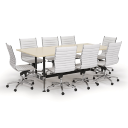
- Provides alternatives to formal meeting rooms
- Makes offices more attractive for hybrid workers
Types of breakout furniture
Different furniture supports different activities. Mix and match for flexibility.
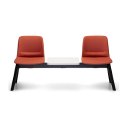
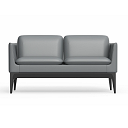
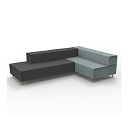
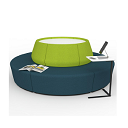
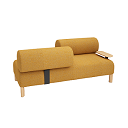
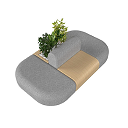
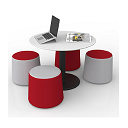
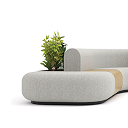
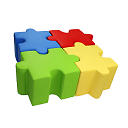
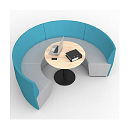
- Modular lounge seating – reconfigurable pieces that adapt to group sizes. Ideal for casual catch-ups.
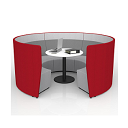
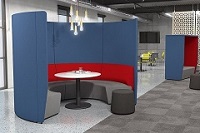
- Banquettes and booth seating – space-efficient, creates intimate zones. Works well near kitchens.
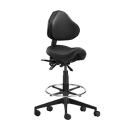
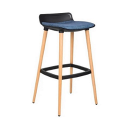
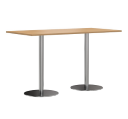
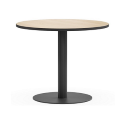
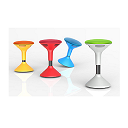
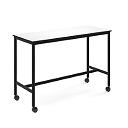
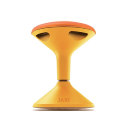
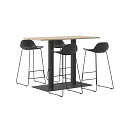
- High-top tables and bar stools – encourages quick interactions. Suitable for standing meetings or coffee breaks.
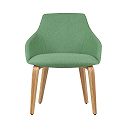
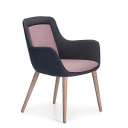
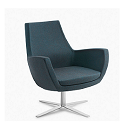
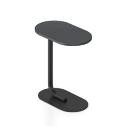
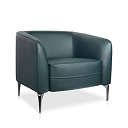
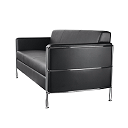
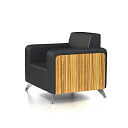
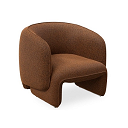
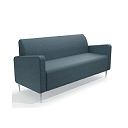
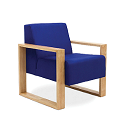
- Soft seating and armchairs – comfort-focused for relaxation. Use with side tables for drinks or devices.
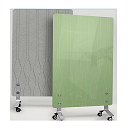
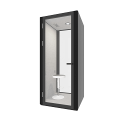
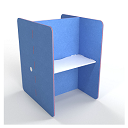
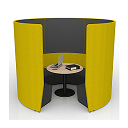
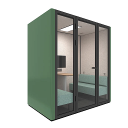
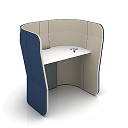
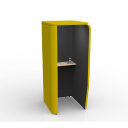
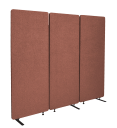
- Acoustic pods and booths – semi-enclosed spaces for focused work or private calls within open areas.
Creating different zones
Larger breakout areas benefit from distinct zones for different activities.
- Relaxation zone – soft seating, lower lighting, away from thoroughfares. For genuine downtime.
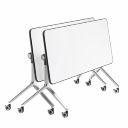
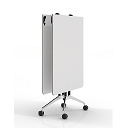
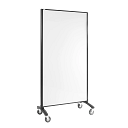
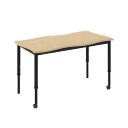
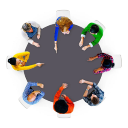
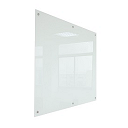
- Collaboration zone – modular furniture, whiteboards, moveable tables. For impromptu team discussions.
- Kitchen and dining zone – bar seating, communal tables, casual atmosphere. Supports social connection.
- Quiet zone – acoustic seating, reduced screen use, calm atmosphere. For mindful breaks.
Layout considerations
How you arrange office lounge seating affects how it’s used.
- Position breakout areas near natural light where possible
- Keep them visible but not in main traffic flows
- Allow 900–1200mm circulation space between furniture
- Cluster seating to encourage conversation, not isolation
- Use rugs and lighting to define zones within open plans
Technology and power
Modern breakout spaces need power and connectivity.
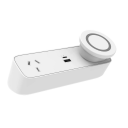
- Floor boxes or pop-up outlets near lounge seating
- USB charging integrated into side tables
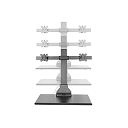
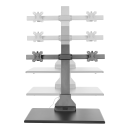
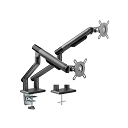
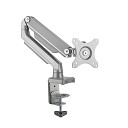
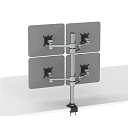
- Monitor arms or screens in collaboration zones
- Reliable WiFi throughout breakout areas
Material and durability considerations
Breakout furniture faces heavy use. Specify commercial-grade materials.
- Fabric upholstery – high rub count (50,000+) for longevity
- Stain-resistant treatments – essential for kitchen-adjacent seating
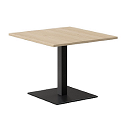
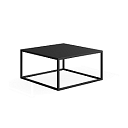
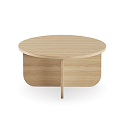
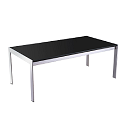
- Timber and laminate – durable surfaces for tables
- Easy-clean materials – practical for high-traffic areas
Making breakout spaces work
Successful staff breakout area ideas combine comfort, flexibility, and purpose. Observe how your team uses the space and adjust accordingly. The best breakout areas feel intentional, not like an afterthought.