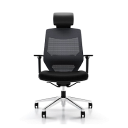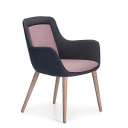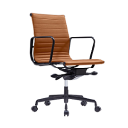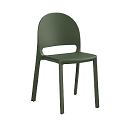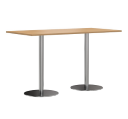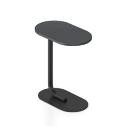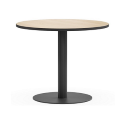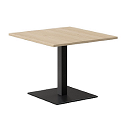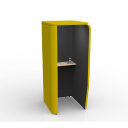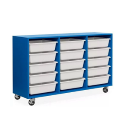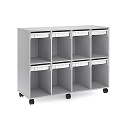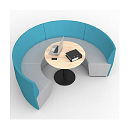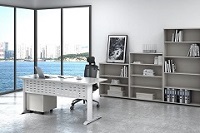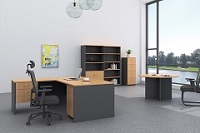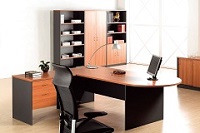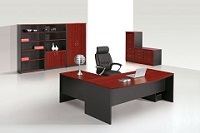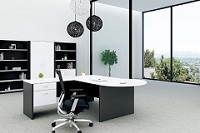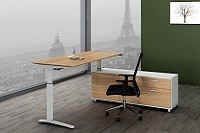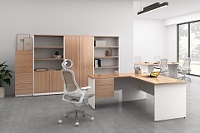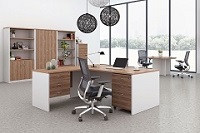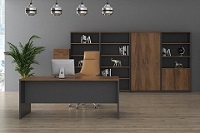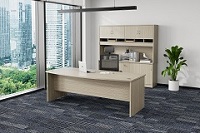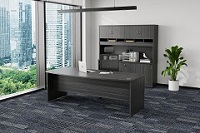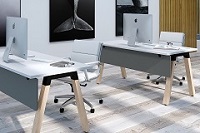



- Separating work and living zones effectively
- Applying commercial ergonomics at home
- Choosing durable, long-term furniture pieces
- Balancing aesthetics with daily performance
- Planning for flexibility as work patterns evolve
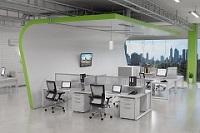
As hybrid and remote work become permanent fixtures in many industries, the home office has shifted from a temporary setup to a long-term investment. A well-designed home workspace should support productivity, maintain comfort across extended hours, and integrate seamlessly into the broader home environment.
A functional home office applies commercial thinking at a residential scale.
Separating work and living zones
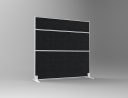
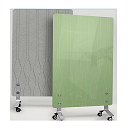
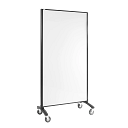
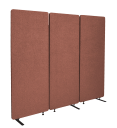
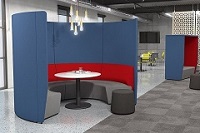
Clear spatial definition improves focus and protects work-life balance. Even in compact homes or apartments, physical and visual separation is achievable.
- Position desks away from bedrooms where possible
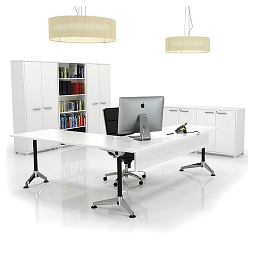
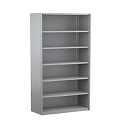
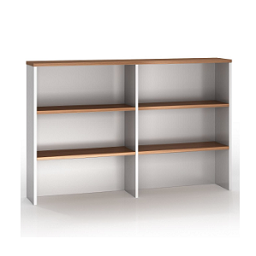
- Use shelving or cabinetry to define workspace boundaries
- Select furniture finishes that complement adjoining rooms
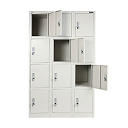
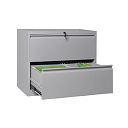
- Maintain dedicated storage to avoid work materials spreading into living areas
Establishing a defined zone reinforces routine and improves long-term usability.
Scaling commercial ergonomics for the home
Many home offices rely on dining tables or occasional chairs, which are not designed for extended computer use. Applying commercial ergonomic principles ensures comfort and reduces strain.
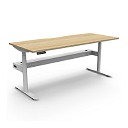
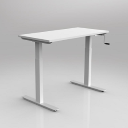
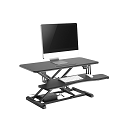
- Height-appropriate desks that support neutral wrist positioning
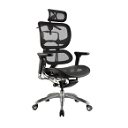
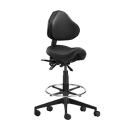
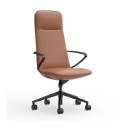
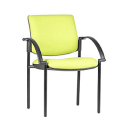
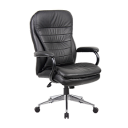
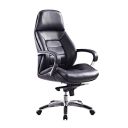
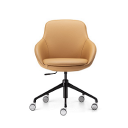
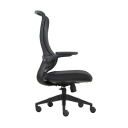
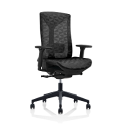
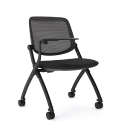
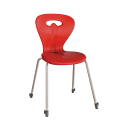
- Ergonomic task chairs with lumbar support and adjustable settings
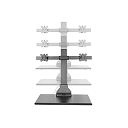
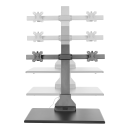
- Monitor positioning at eye level to minimise neck strain
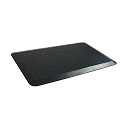
- Footrests where floor contact is limited
Investing in ergonomic fundamentals prevents the need for early replacement and supports sustained productivity.
Selecting durable, long-term furniture
Home office furniture should be specified with the same attention to durability as commercial environments, particularly when used daily.
Desk materials
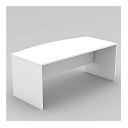
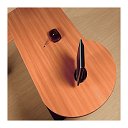
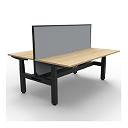
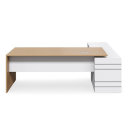
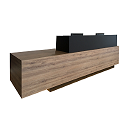
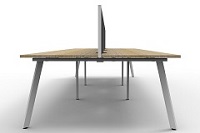
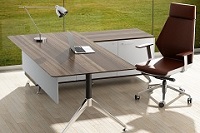
Timber veneer offers warmth and refinement, while laminate provides resilience and low maintenance. The choice depends on desired aesthetic and expected wear.
Storage integration
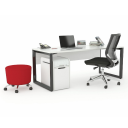
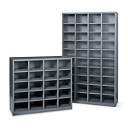
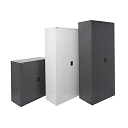
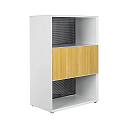
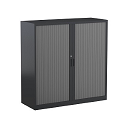
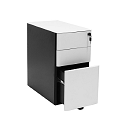
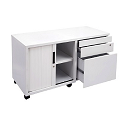
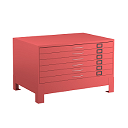
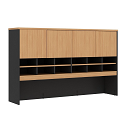
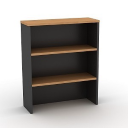
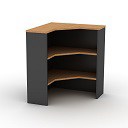
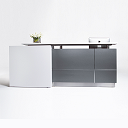
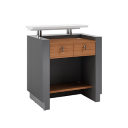
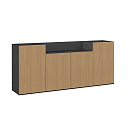
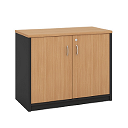
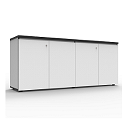
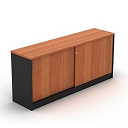
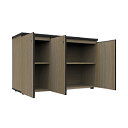
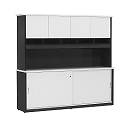
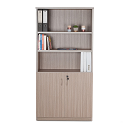
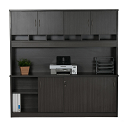
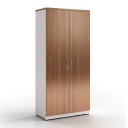
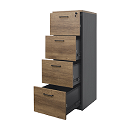
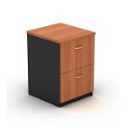
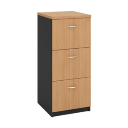
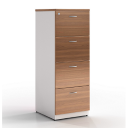
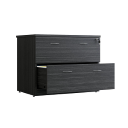
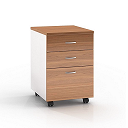
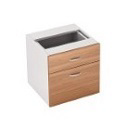
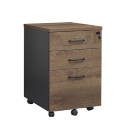
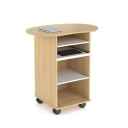
Integrated drawers, credenzas, or shelving prevent clutter accumulation and maintain a professional presentation during video calls.
Chair longevity
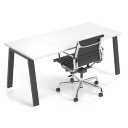
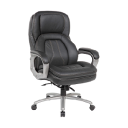
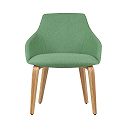
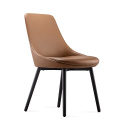
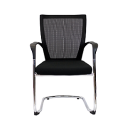
Commercial-grade chairs typically offer higher weight ratings, replaceable components, and longer warranty coverage compared to residential alternatives.
Balancing aesthetics and performance
A home office must integrate visually with surrounding interiors. However, appearance should not compromise daily functionality.
- Choose cohesive finishes across desk and storage
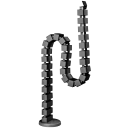
- Conceal cabling with integrated management solutions
- Incorporate task lighting suited to screen-based work
- Maintain adequate circulation around the workspace
Well-selected pieces enhance both the visual standard of the home and the daily work experience.
Planning for evolving work patterns
Hybrid arrangements may shift over time. Furniture should accommodate changes in workload, technology, or room function without requiring complete replacement.
By applying commercial design thinking at a residential scale, a home office can remain functional, durable, and visually considered for years to come.