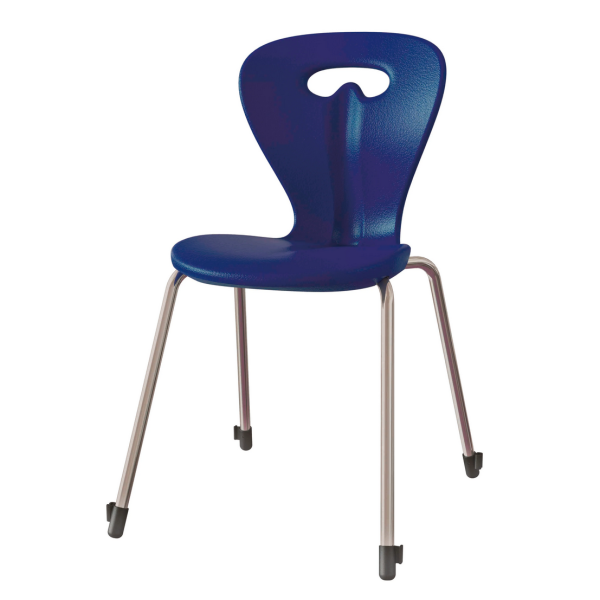
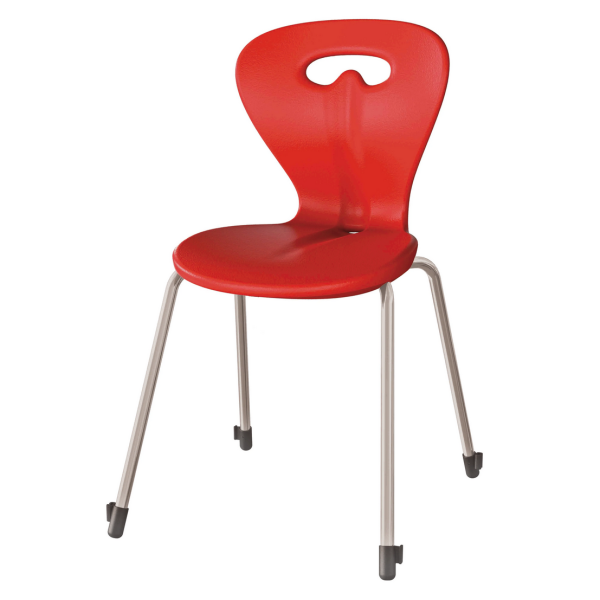
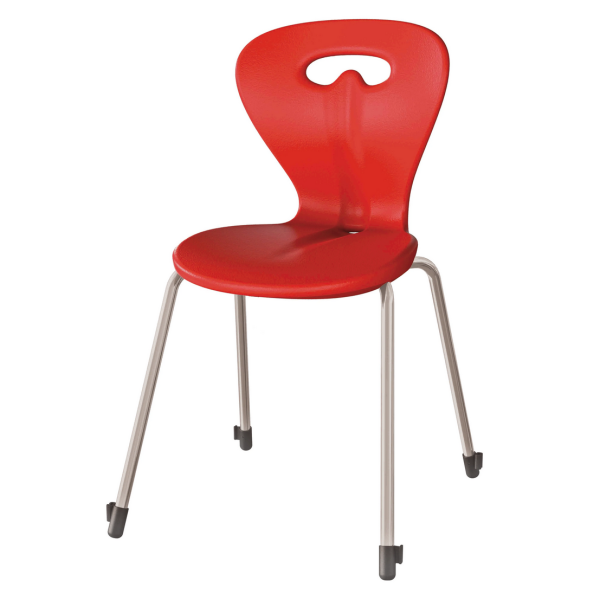
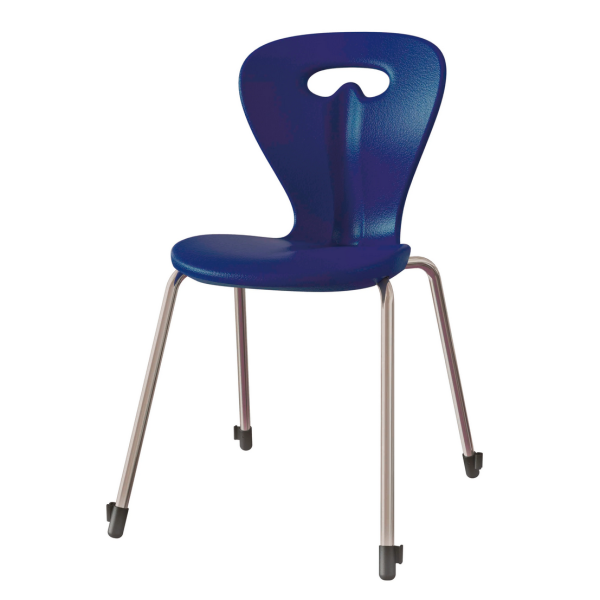
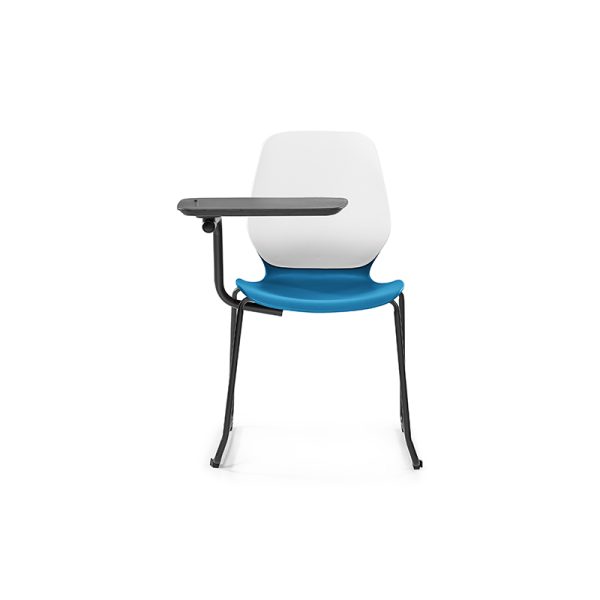
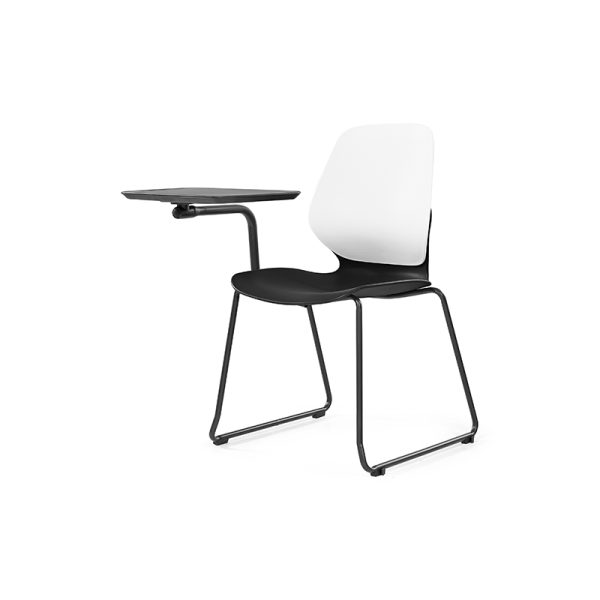
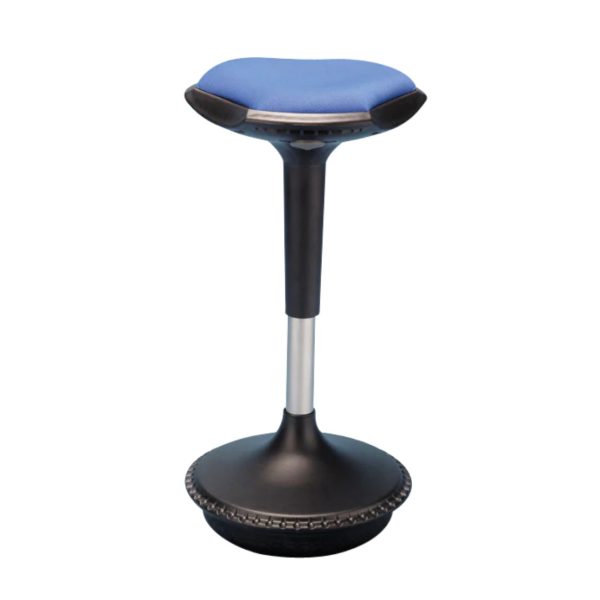
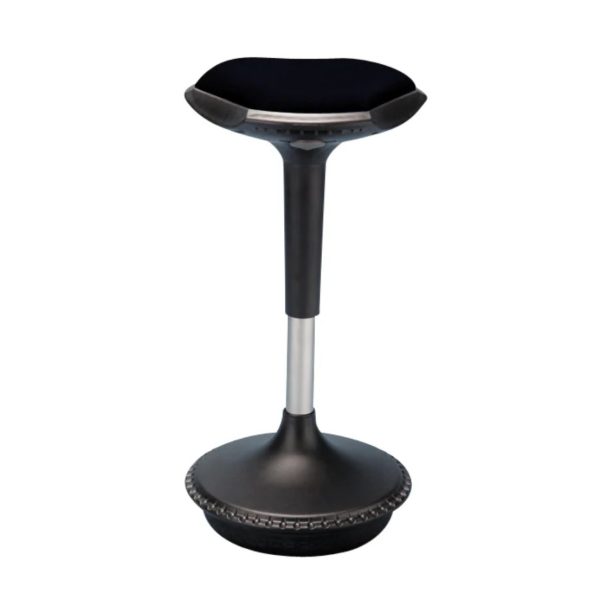
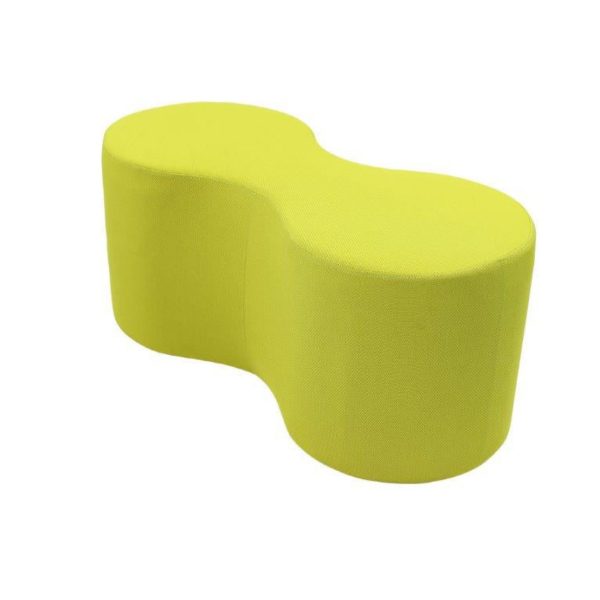
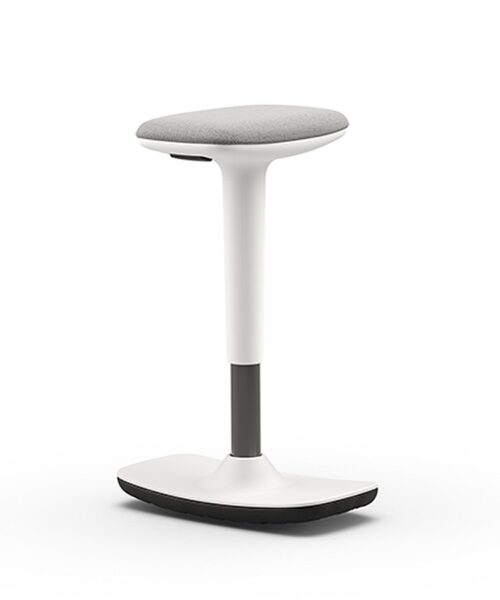
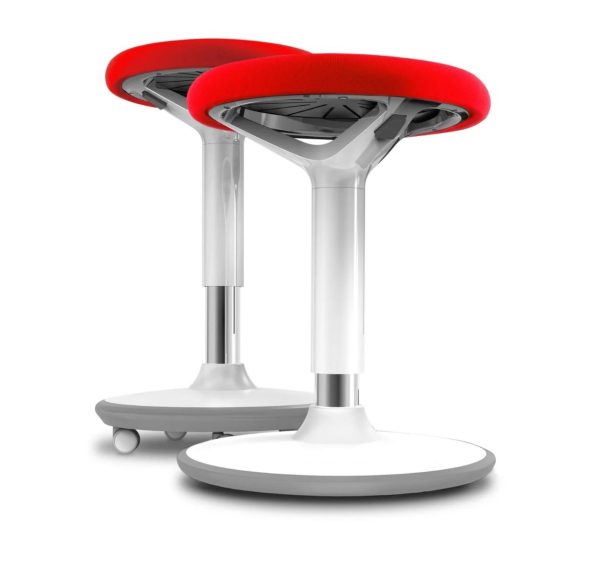
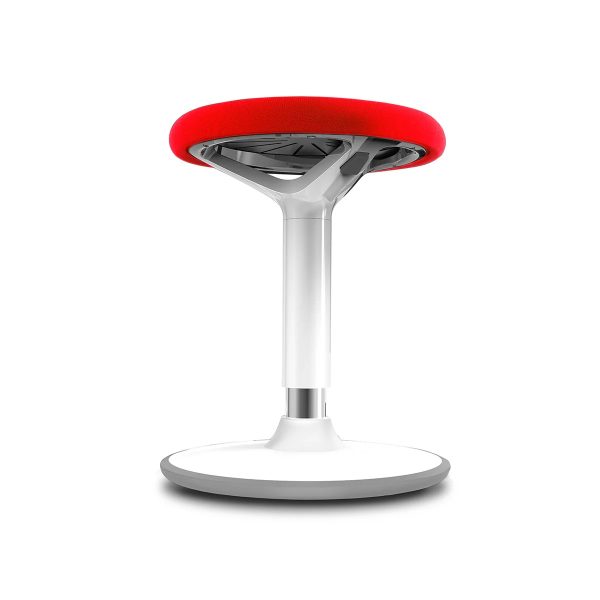
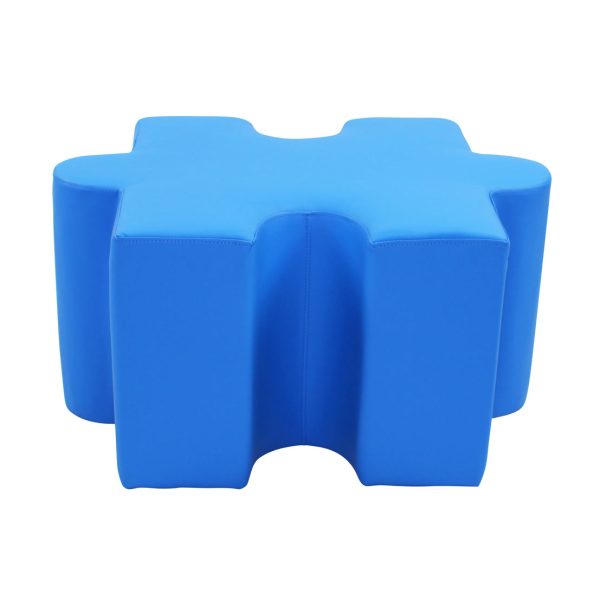
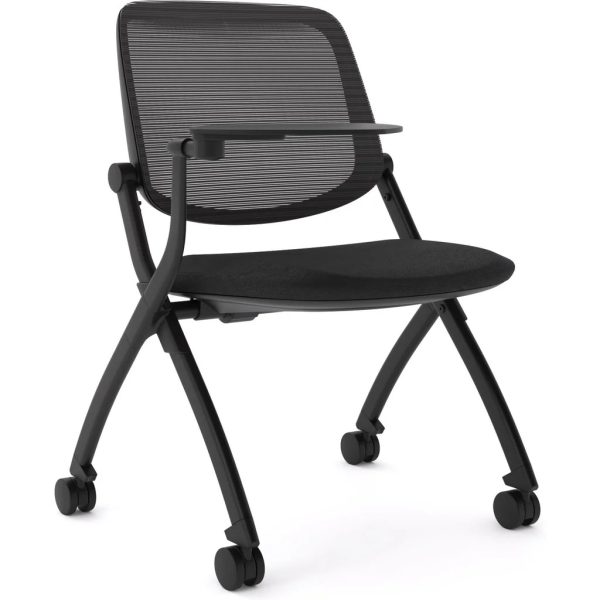
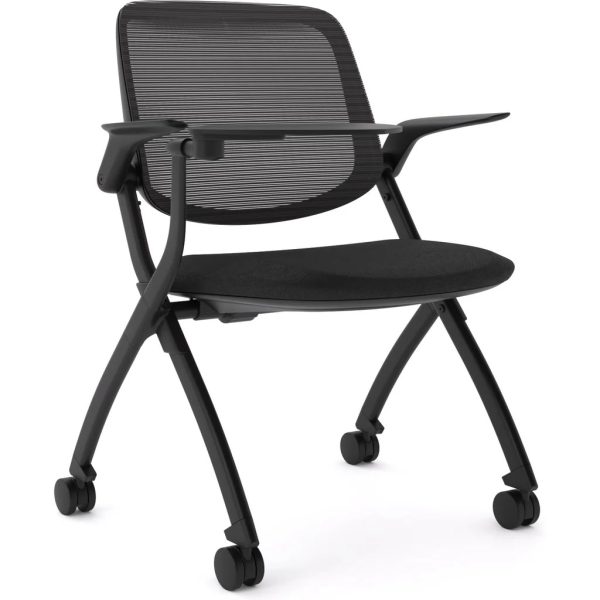
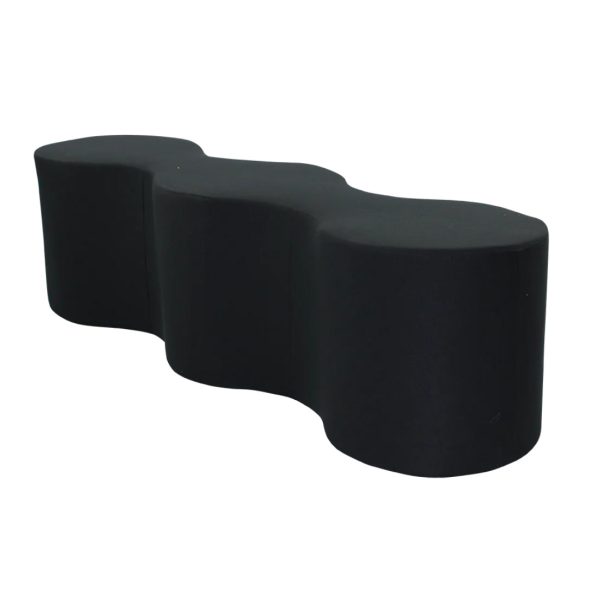
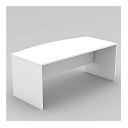
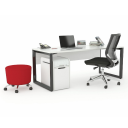
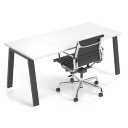
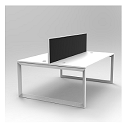
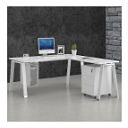
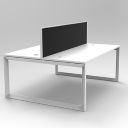
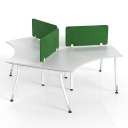
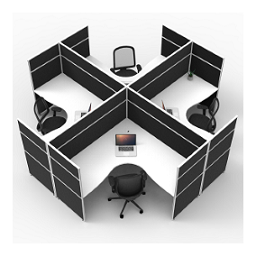
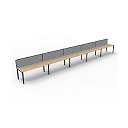
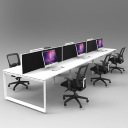
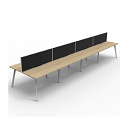
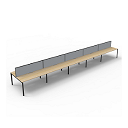
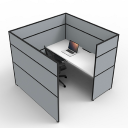
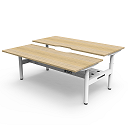
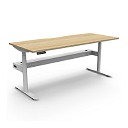
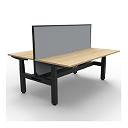
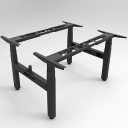
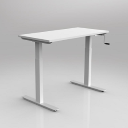
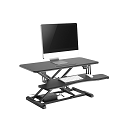
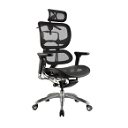
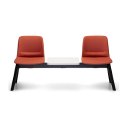
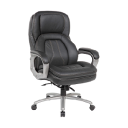
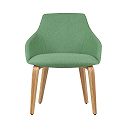
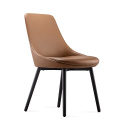
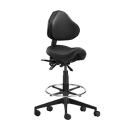
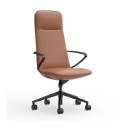
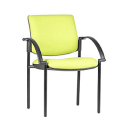
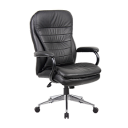
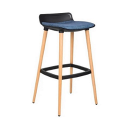
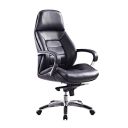
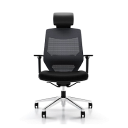
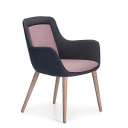
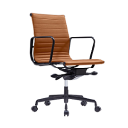
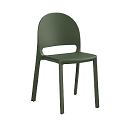
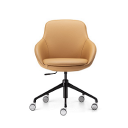
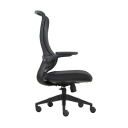
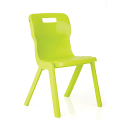
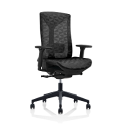
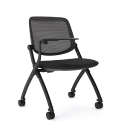
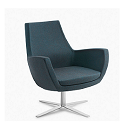
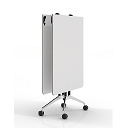
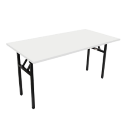
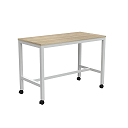
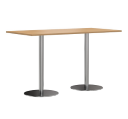
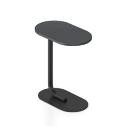
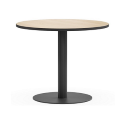
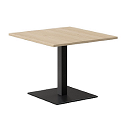
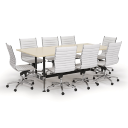
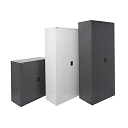
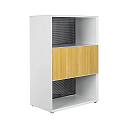
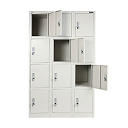
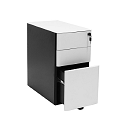
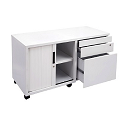
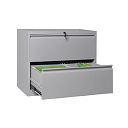
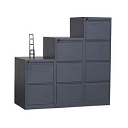
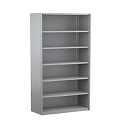
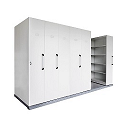
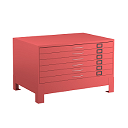
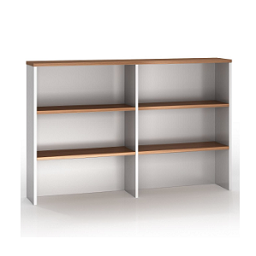
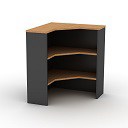
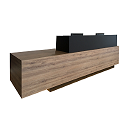
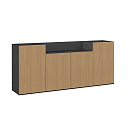
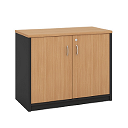
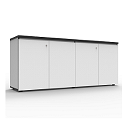
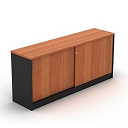
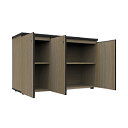
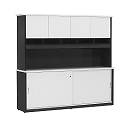
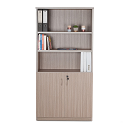
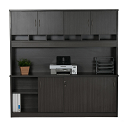
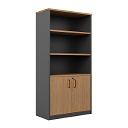
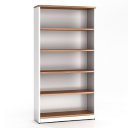
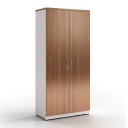
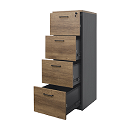
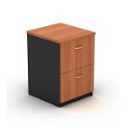
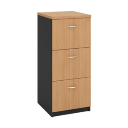
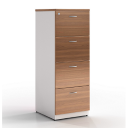
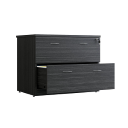
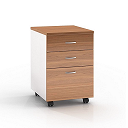
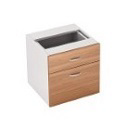
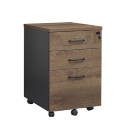
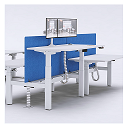
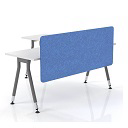
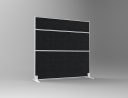
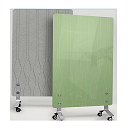
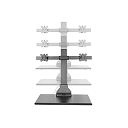
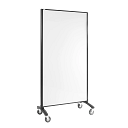
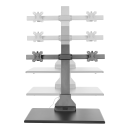
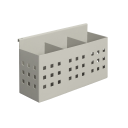
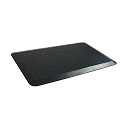
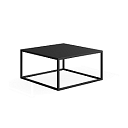
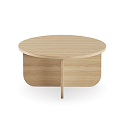
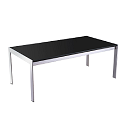
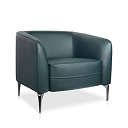
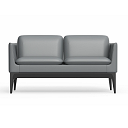
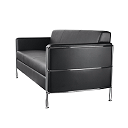
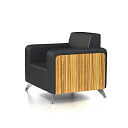
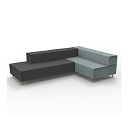
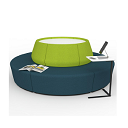
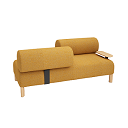
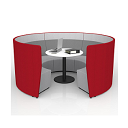
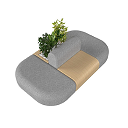
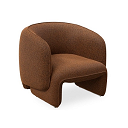
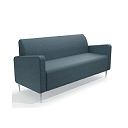
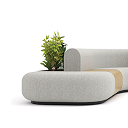
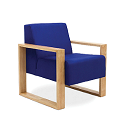
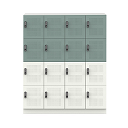
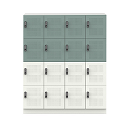
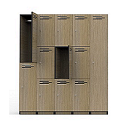
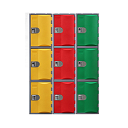
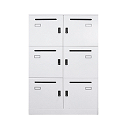
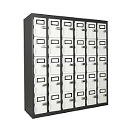
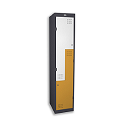
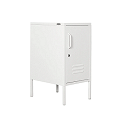
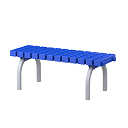
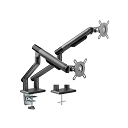
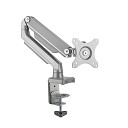
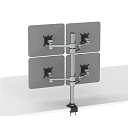
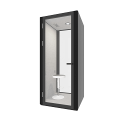
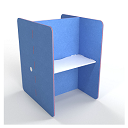
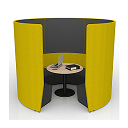
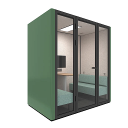
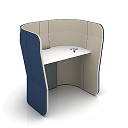
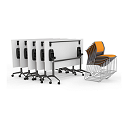
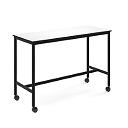
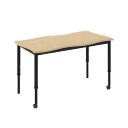
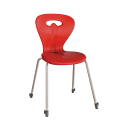
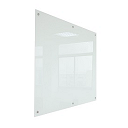
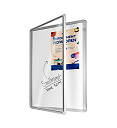
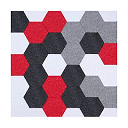
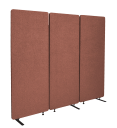
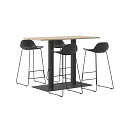
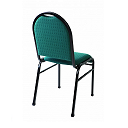
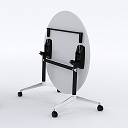
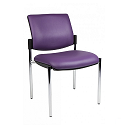
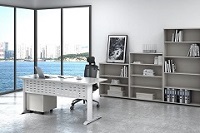
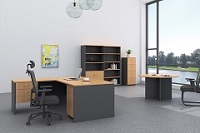
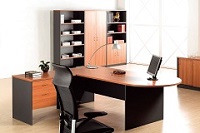
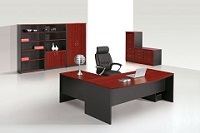
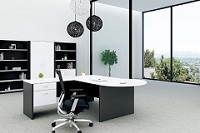
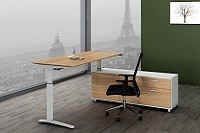
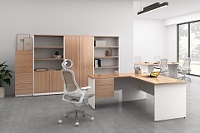
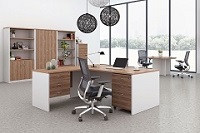
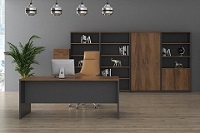
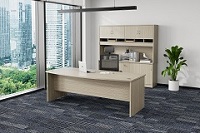
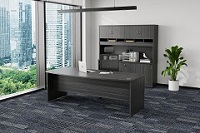
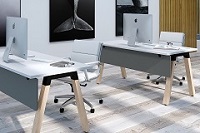
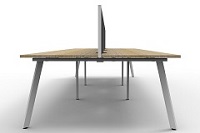
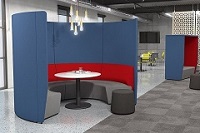
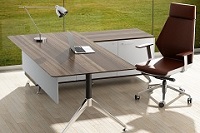
The right type of education furniture encourage student engagement, supports ergonomics, and adapts to modern teaching styles. A good investment in a quality furniture always produces better results in the long run.
. ← All Categories
More About Education Furniture
Good education furniture is designed to enhance the learning environment by providing comfort, functionality, durability, and flexibility. It should support students' physical well-being and adapt to various teaching styles and activities.
The key characteristics of high-quality educational furniture:
1. Ergonomics & Comfort
● Adjustable Features: Chairs and desks with height-adjustable options to accommodate different age groups and body sizes.
● Proper Support: Ergonomic chairs with lumbar support, contoured seats, and breathable materials to promote good posture.
● Footrests & Armrests: Optional supports for younger students to ensure proper alignment.
3. Flexibility & Mobility
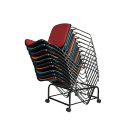
● Lightweight & Stackable: Easy to rearrange for group work or presentations.
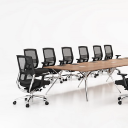
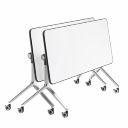
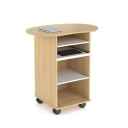
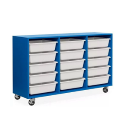
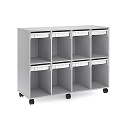
● Casters & Wheels: Mobile chairs, tables, or storage units for dynamic classroom setups.
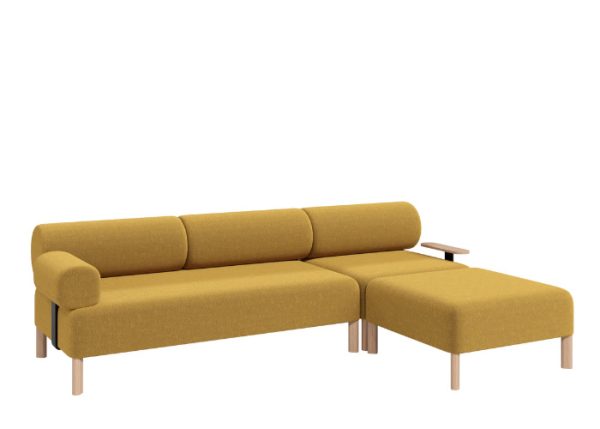
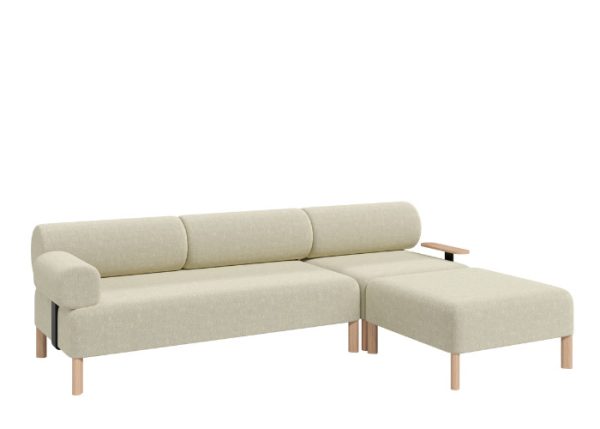
● Modular Designs: Configurable tables that can be joined or separated for collaborative learning.
4. Functionality & Adaptability
● Multi-Purpose Use: Desks with built-in storage, whiteboard surfaces, or charging ports.
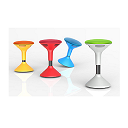
● Standing & Active Seating Options: Adjustable standing desks, wobble stools, or balance balls to improve focus.
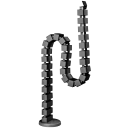
● Tech-Integrated: Furniture with cable management, tablet/device holders, or power outlets.
5. Aesthetic & Engaging Design
● Colour Psychology: Vibrant yet calming colours to stimulate creativity without causing distraction.
● Modern & Minimalist: Clean lines and uncluttered designs to reduce visual stress.
● Interactive Surfaces: Whiteboard tables or writable walls for brainstorming.
6. Sustainability
● Eco-Friendly Materials: Recycled plastics, FSC-certified wood, or low-VOC finishes.
● Long Lifespan: Easy to repair and disassemble for recycling.
Examples of Good Education Furniture
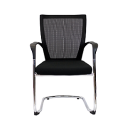
● Student Chairs: Ergonomic, stackable chairs with breathable mesh backs.
● Collaborative Tables: Trapezoidal tables for group work.
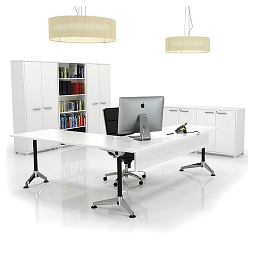
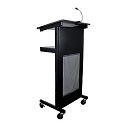
● Teacher Desks: Functional with storage and mobility for flexible teaching.
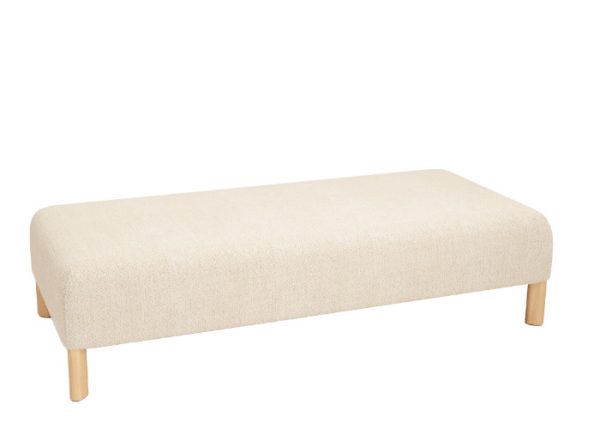
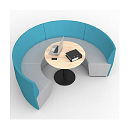
● Reading Nooks: Soft seating with bean bags or cushioned benches for relaxed learning.
Conclusion
The best educational furniture balances comfort, adaptability, and durability while fostering an engaging and inclusive learning space. Investing in quality furniture improves student focus, collaboration, and overall academic performance.