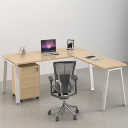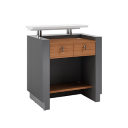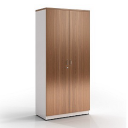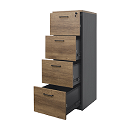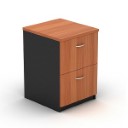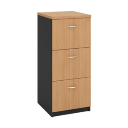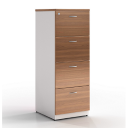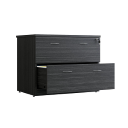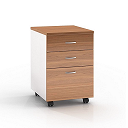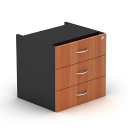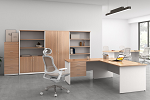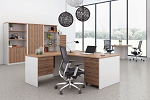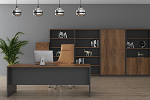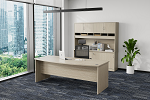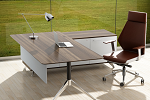

Mobile Pedestal 2 Drawers Beech – 5 Colours
$2003 Styles to Choose from – 2, 3 or 4 Drawers Options
Furniture for - Corporate | Education | Hospitality | Office Fitouts

Drawer units are the unsung heroes of office organization, seamlessly integrating storage into workspaces while maintaining clean aesthetics. When properly specified, they can increase productivity by 22% by reducing clutter-related distractions.
.
← All Categories
Showing 25–48 of 49 results
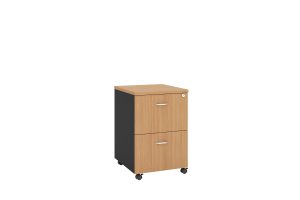
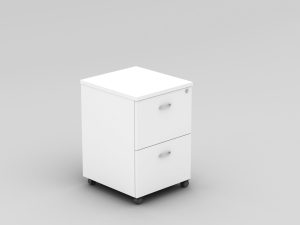
3 Styles to Choose from – 2, 3 or 4 Drawers Options
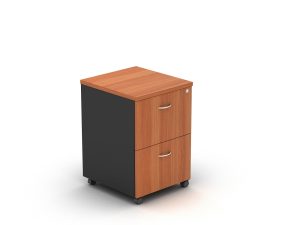
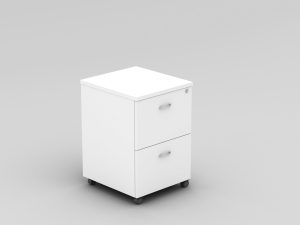
3 Styles to Choose from – 2, 3 or 4 Drawers Options
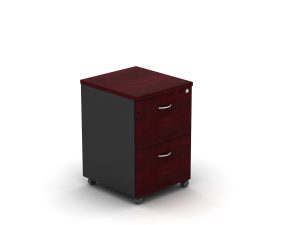
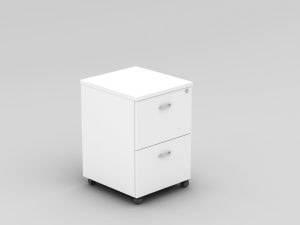
3 Styles to Choose from – 2, 3 or 4 Drawers Options
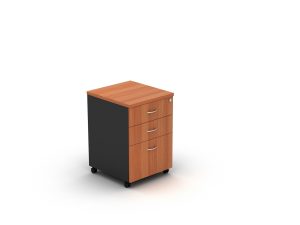
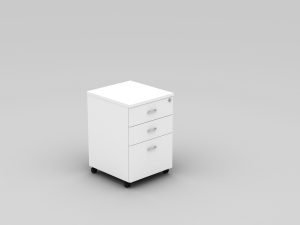
3 Styles to Choose from – 2, 3 or 4 Drawers Options
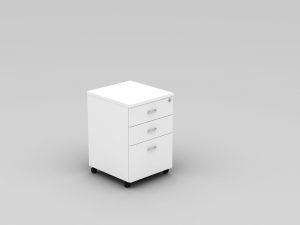
3 Styles to Choose from – 2, 3 or 4 Drawers Options
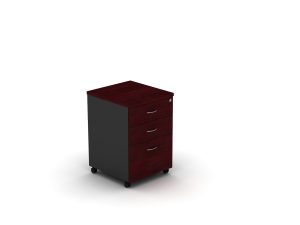
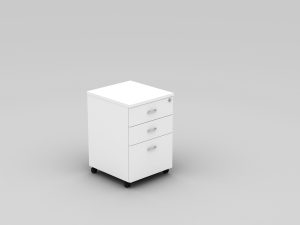
3 Styles to Choose from – 2, 3 or 4 Drawers Options
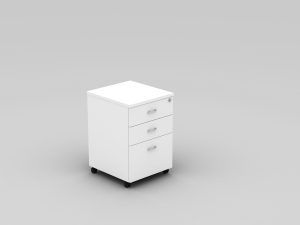
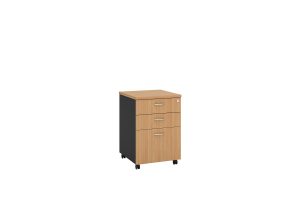
3 Styles to Choose from – 2, 3 or 4 Drawers Options
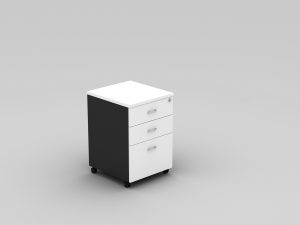
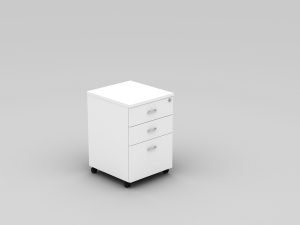
3 Styles to Choose from – 2, 3 or 4 Drawers Options
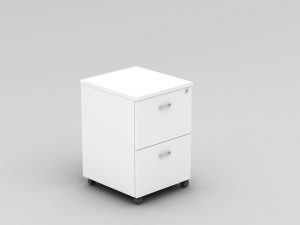
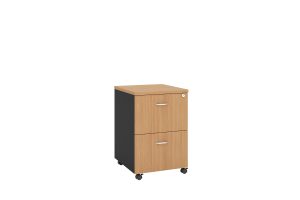
3 Styles to Choose from – 2, 3 or 4 Drawers Options
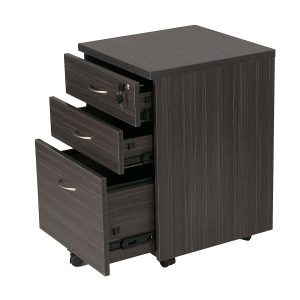
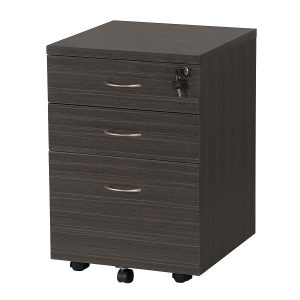
Comes in 2 Styles and 2 Colours to Choose From
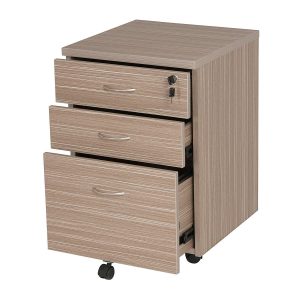
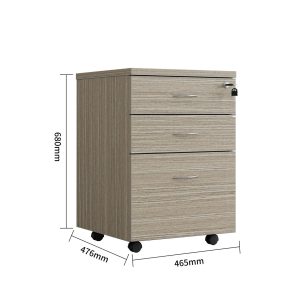
Comes in 2 Styles and 2 Colours to Choose From
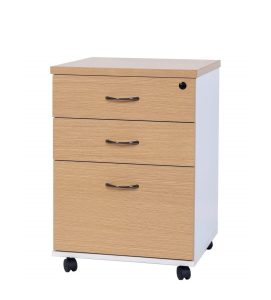
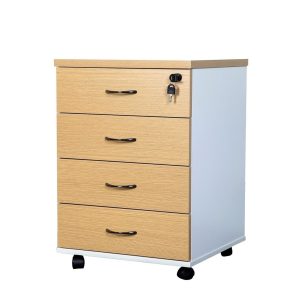
Comes in 3 Drawers OR 4 Drawers Option
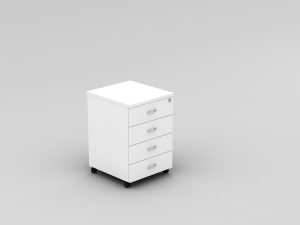
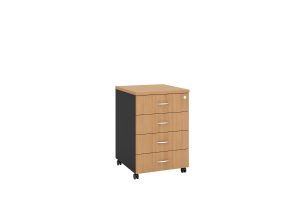
3 Styles to Choose from – 2, 3 or 4 Drawers Options
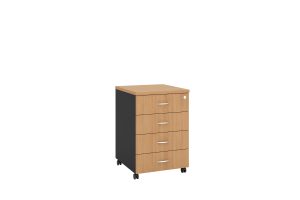
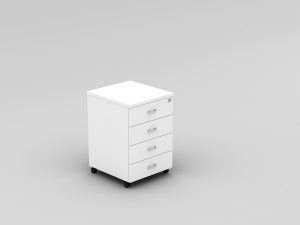
3 Styles to Choose from – 2, 3 or 4 Drawers Options
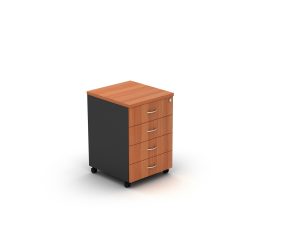
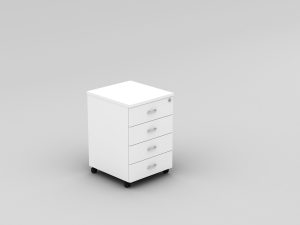
3 Styles to Choose from – 2, 3 or 4 Drawers Options
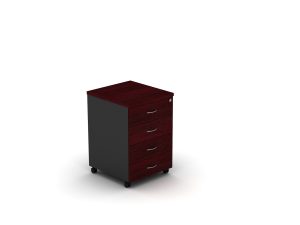
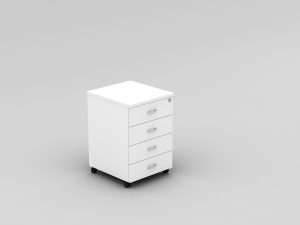
3 Styles to Choose from – 2, 3 or 4 Drawers Options
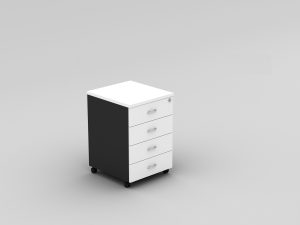
3 Styles to Choose from – 2, 3 or 4 Drawers Options
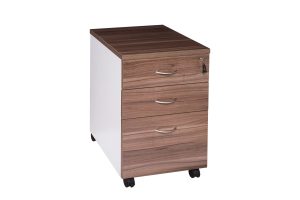
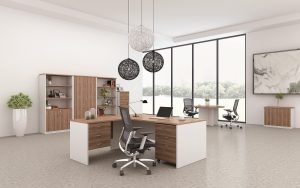
Comes in 1 Style and 3 Colours to choose From
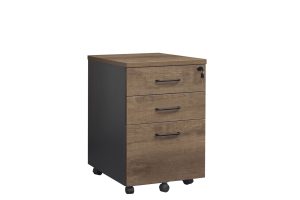
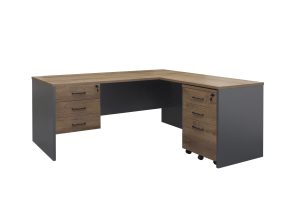
Comes in 1 Style and 3 Colours to choose From
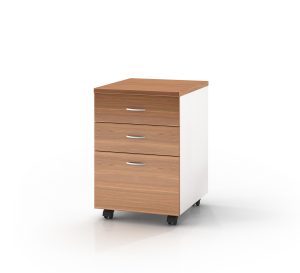
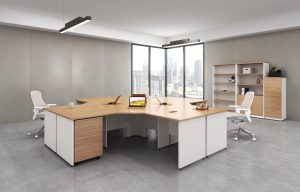
Comes in 1 Style and 3 Colours to choose From
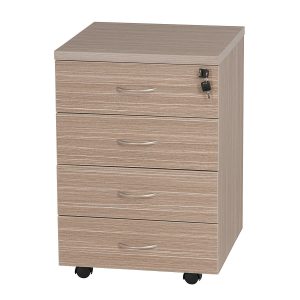
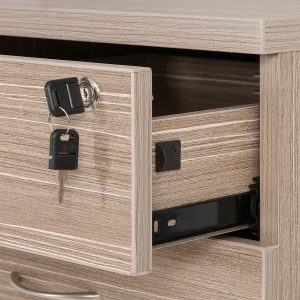
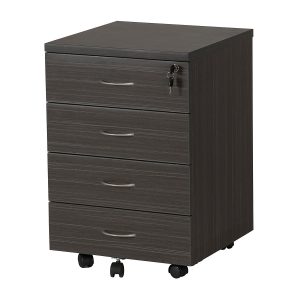
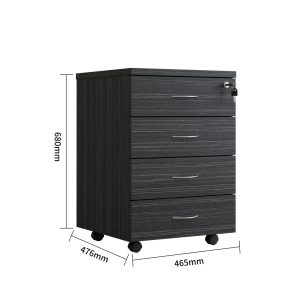
Comes in 2 Styles and 2 Colours to Choose From
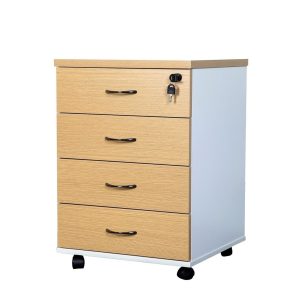
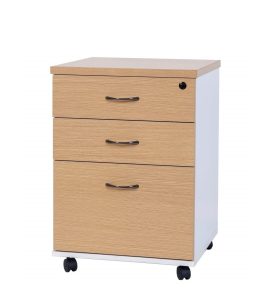
Comes in 3 Drawers or 4 Drawers Option
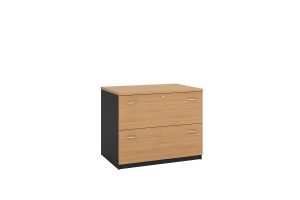
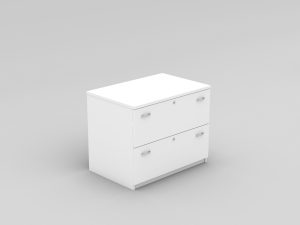
Multilock and Anti Tilt Features – Comes in 4 Colours
Site uses cookies to personalise your shopping experience. By continuing, you agree to our cookie policy.
Don't have an account yet? Sign up
No items in your cart. Go on, fill it up with something you love!
Start Shopping Now