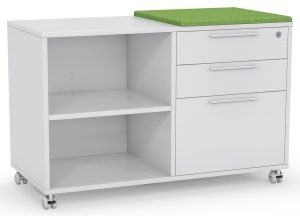
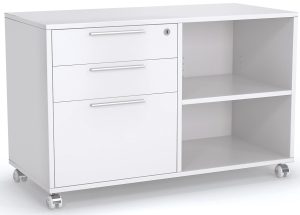
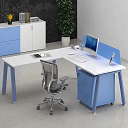
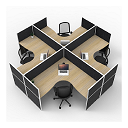
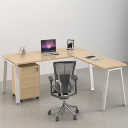
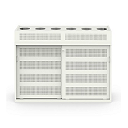
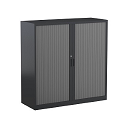
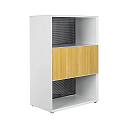
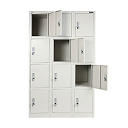
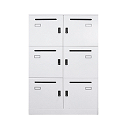
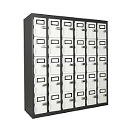
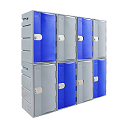
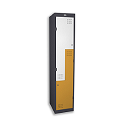
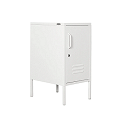
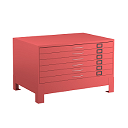
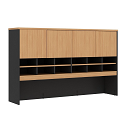
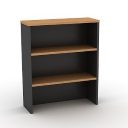
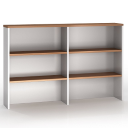
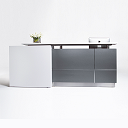
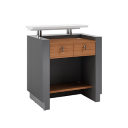
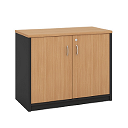
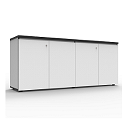
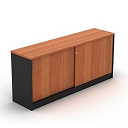
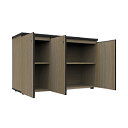
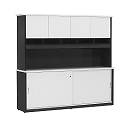
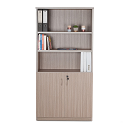
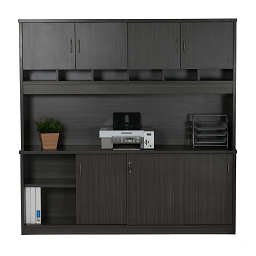
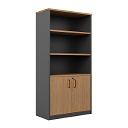
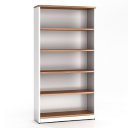
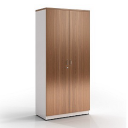
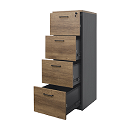
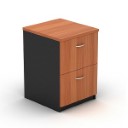
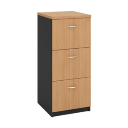
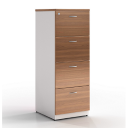
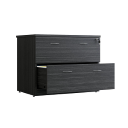
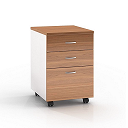
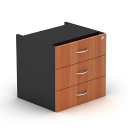
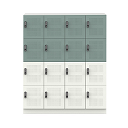
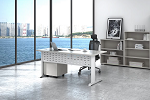
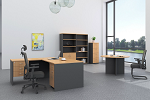
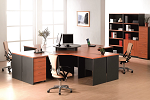
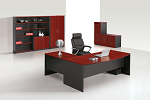
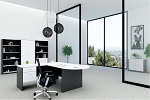
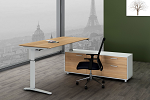
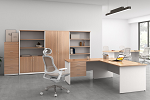
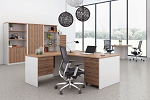
Drawer units are the unsung heroes of office organization, seamlessly integrating storage into workspaces while maintaining clean aesthetics. When properly specified, they can increase productivity by 22% by reducing clutter-related distractions.
. ← All Categories
More About Drawers
In today’s dynamic work environments, drawers have evolved from basic storage solutions to multifunctional, space-saving, and design-forward elements. Here’s how they fit into modern offices:
1. The Role of Drawers in Contemporary Workspaces
A. Clutter-Free Workstationss
● Hide cables, supplies, and personal items to maintain clean, minimalist desks.
● Reduce visual noise, improving focus and professionalism.
B. Flexible Storage for Hybrid Work
● Hot-desking compatibility: Lockable or removable drawers let employees store items temporarily.
● Mobile pedestals: Wheels allow easy reconfiguration for shared spaces.
C. Ergonomics & Accessibility
● Height-adjustable drawers integrate with sit-stand desks.
● Soft-close mechanisms prevent noise disruptions in open offices.
D. Space Optimization
● Slim, vertical designs maximize small footprints.
● Modular systems stack or combine with desks/shelving.
2. Types of Modern Office Drawers
A. Desk-Integrated Drawers
● Built-in under work surfaces for seamless aesthetics.
● Pull-out keyboard trays (now adapting for tablets/laptops).
B. Freestanding Storage Units
● Filing cabinets: Modern versions feature sleek finishes (matte metal, wood veneer).
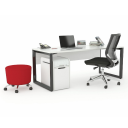
● Pedestal drawers: Often on casters for mobility.
Why It Matters
Modern drawers balance functionality, flexibility, and aesthetics, supporting productivity in agile workspaces.
Show more
We care about your privacy
Site uses cookies to personalise your shopping experience. By continuing, you agree to our cookie policy.