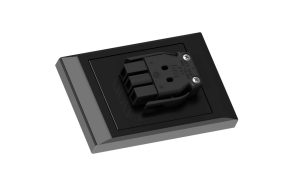
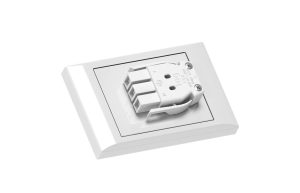
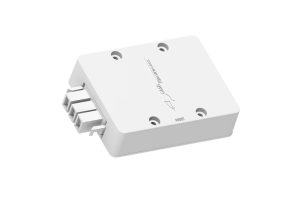
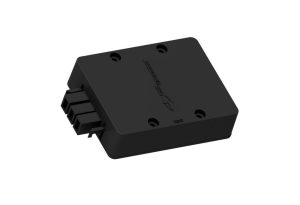
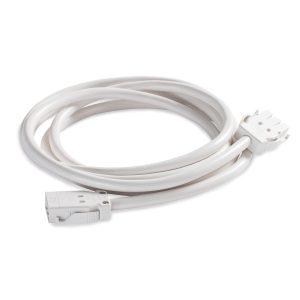
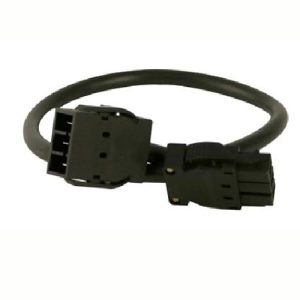
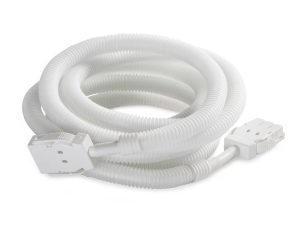
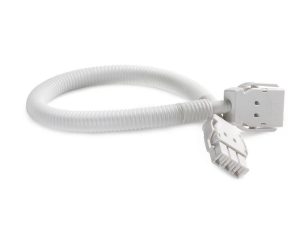
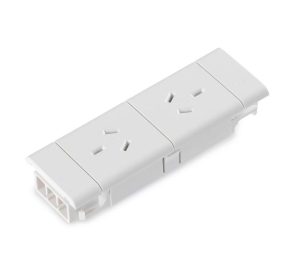
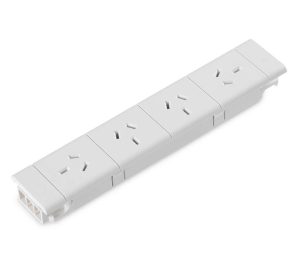
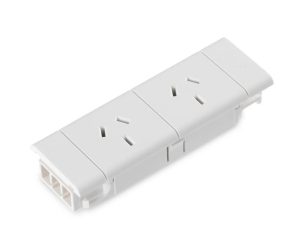
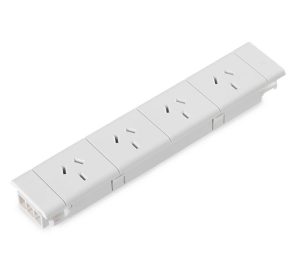
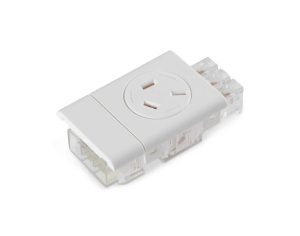
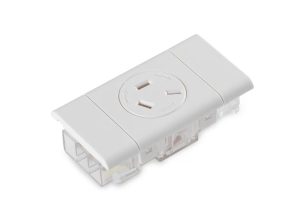
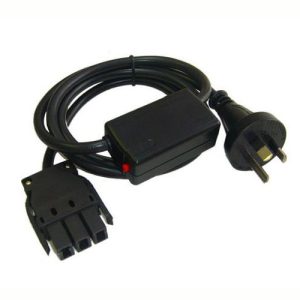
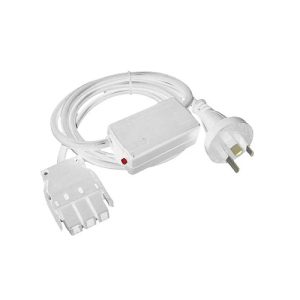
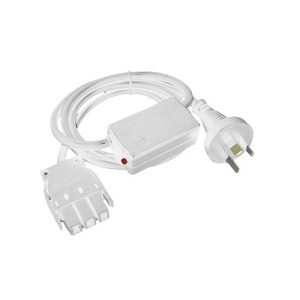
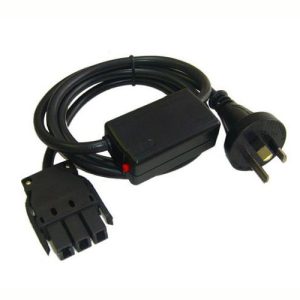
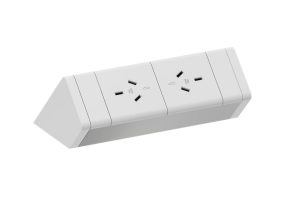
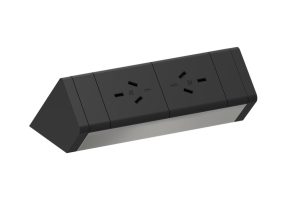
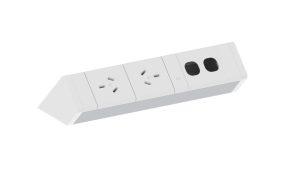
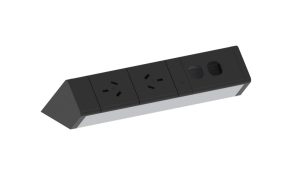
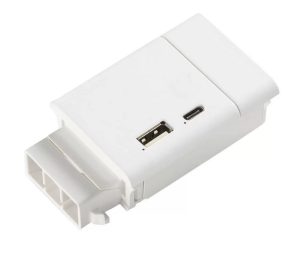
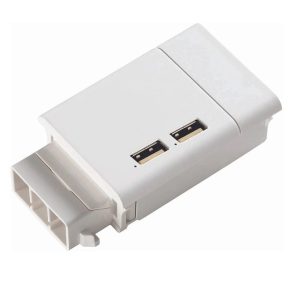
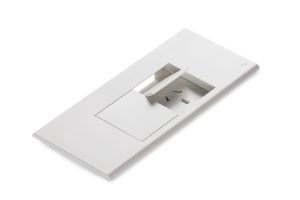
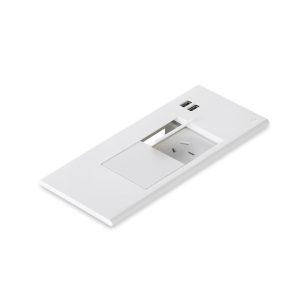
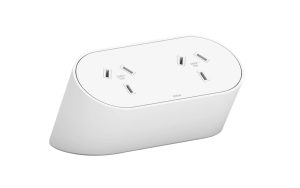
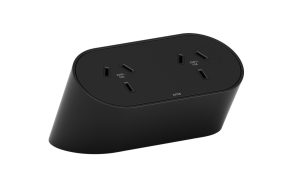
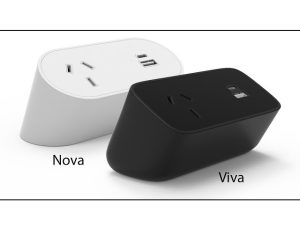
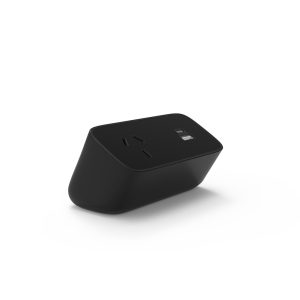
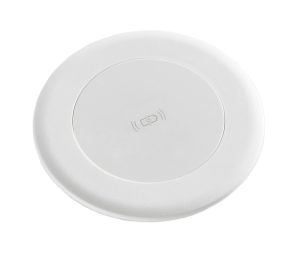
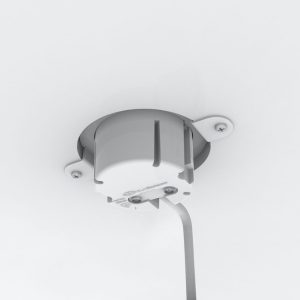
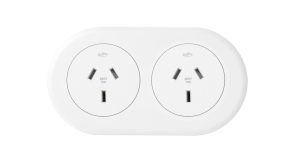
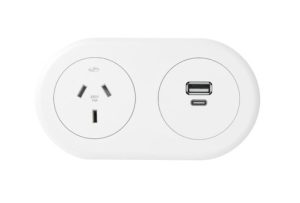
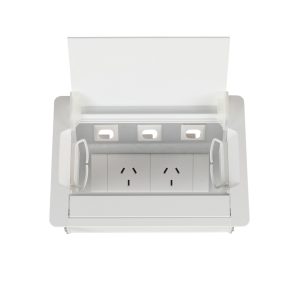
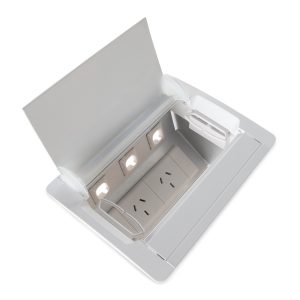
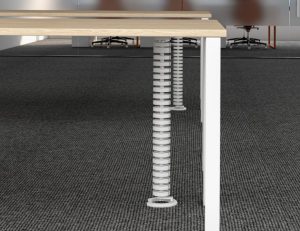
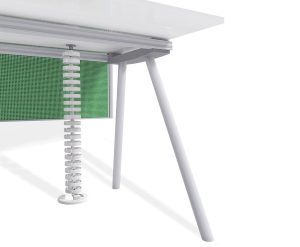
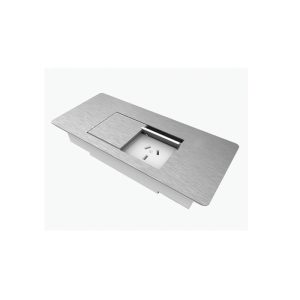
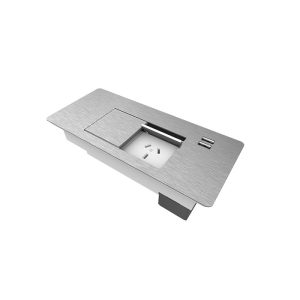
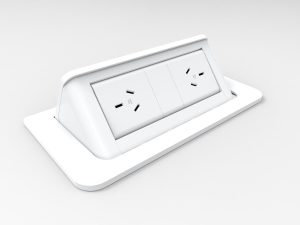
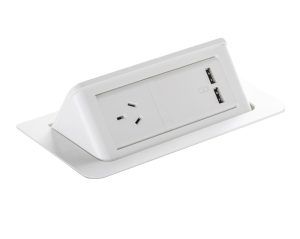
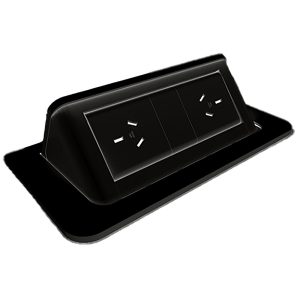
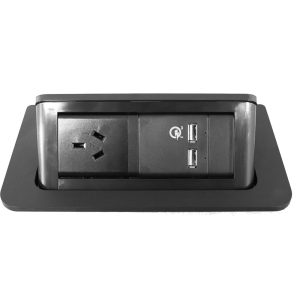
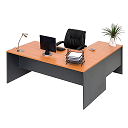
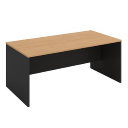
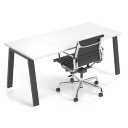
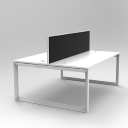
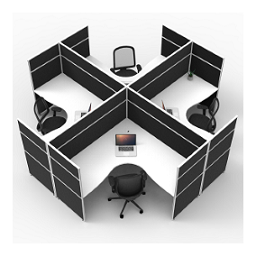
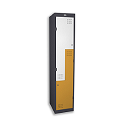
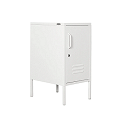
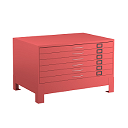
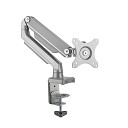
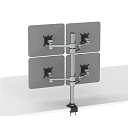
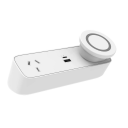
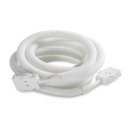
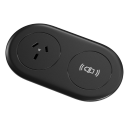
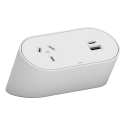
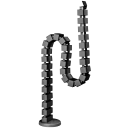
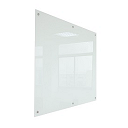
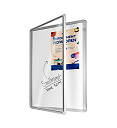
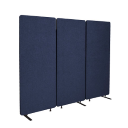
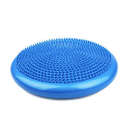
Choosing the right electrical equipment and setup for your workspace is crucial for safety, efficiency, and productivity. Consider only high-quality and safety-focused electrical add on.
. ← All Categories
More About Electricals
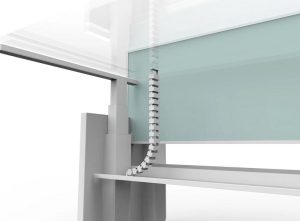
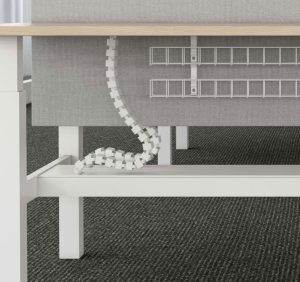
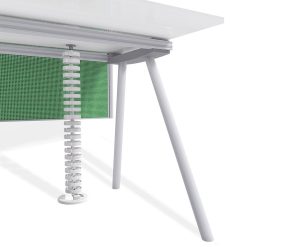
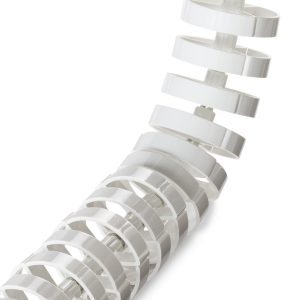
In modern office furniture, integrated cabling and electrical systems ensure a clean, functional, and safe workspace. Proper wiring and power management improve productivity, reduce clutter, and comply with safety regulations. Below is a detailed breakdown of key components and best practices.
1. Purpose & Importance
● First Impressions – Sets the tone for a company’s brand and culture.
● Visitor Management – Check-ins, wayfinding, and security (badge issuance).
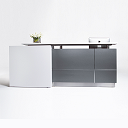
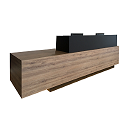
● Workstation – Houses monitors, phones, and admin tools for receptionists.
● Storage – Conceals cables, office supplies, and confidential documents.
● Branding Hub – Displays logos, marketing materials, or digital signage.
● Professionalism – A well-designed counter conveys competence and attention to detail.
● Check-In Hub – Digital sign-ins (tablets, QR codes) or traditional logbooks streamline guest registration.
● Workstation for Receptionists – Houses computers, phones, and office tools in an organized manner.
● Barrier Functions – Shields admin work from public view while maintaining approachability.
● Flow Controls – Guides visitors naturally through the lobby without congestion.
2. Key Considerations for a Reception Counter
● Location – Positioned near the entrance with clear visibility.
● Durability – High-quality materials (e.g., scratch-resistant material).
● Tech Compatibility – Accommodates monitors, tablets, and cable management.
● Accessibility – ADA-compliant height (≤ 34") and wheelchair-friendly design.
Conclusion
Proper cabling and electrical integration in office furniture enhance functionality, aesthetics, and safety. By following Australian standards and adopting smart solutions, businesses can create efficient, future-proof workspaces.
Show more
We care about your privacy
Site uses cookies to personalise your shopping experience. By continuing, you agree to our cookie policy.