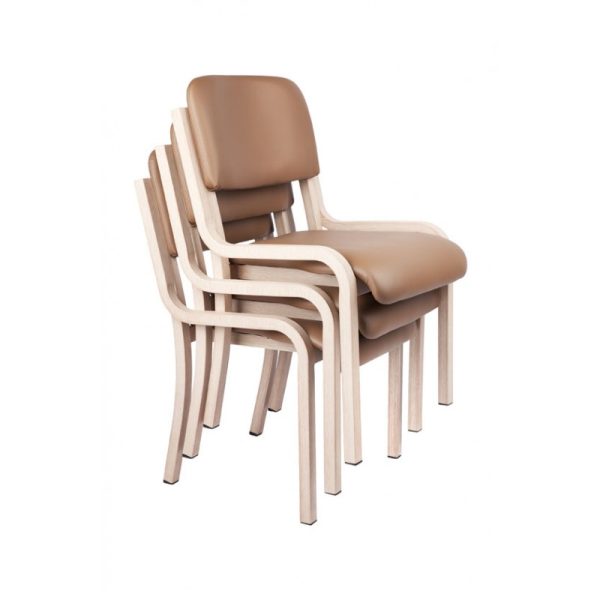
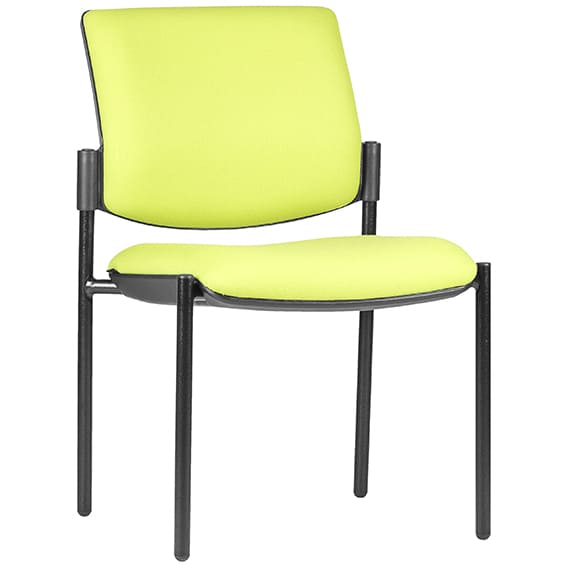
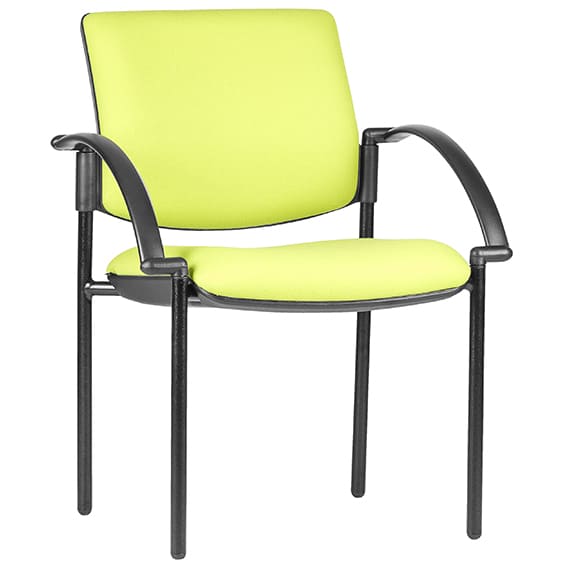
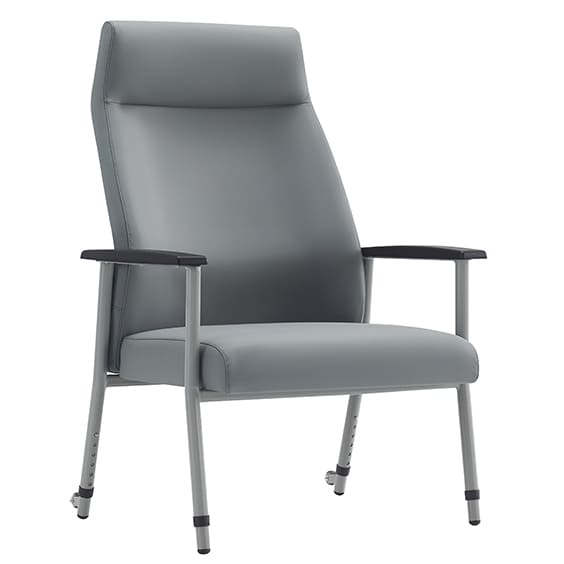
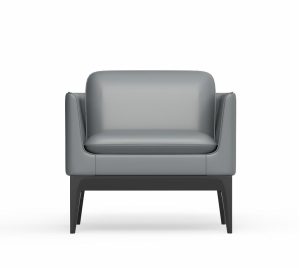
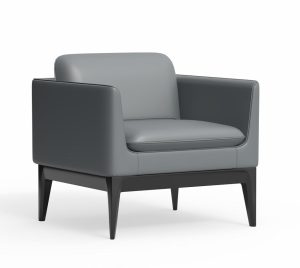
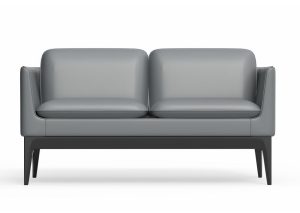
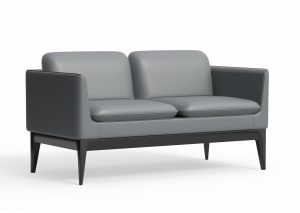
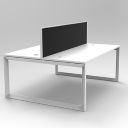
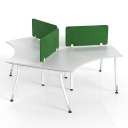
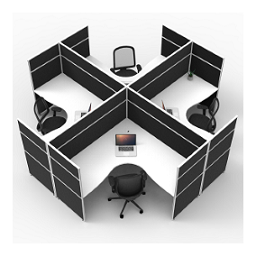
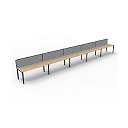
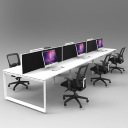
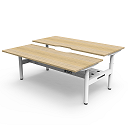
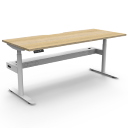
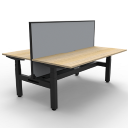
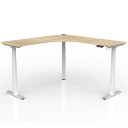
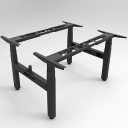
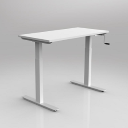
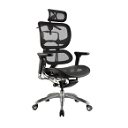
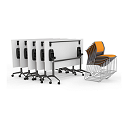
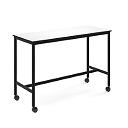
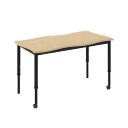
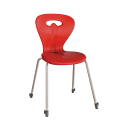
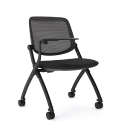
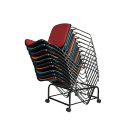
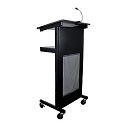
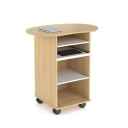
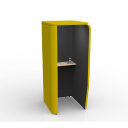
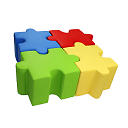
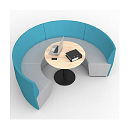
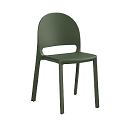
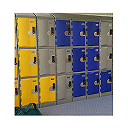
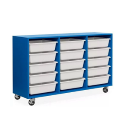
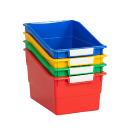
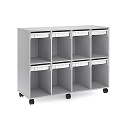
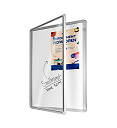
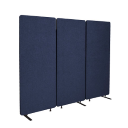
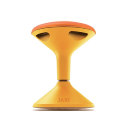
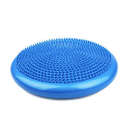
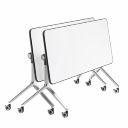
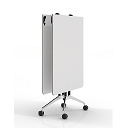
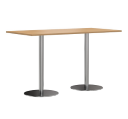
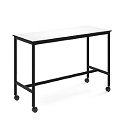
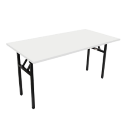
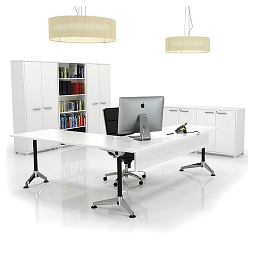
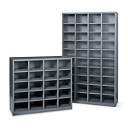
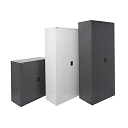
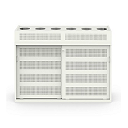
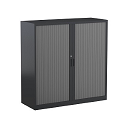
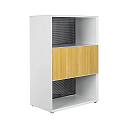
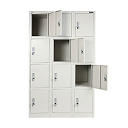
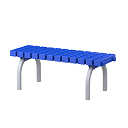
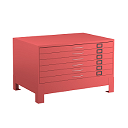
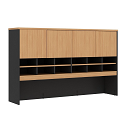
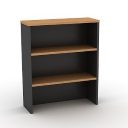
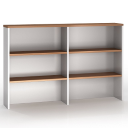
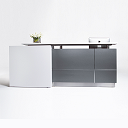
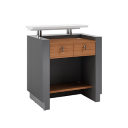
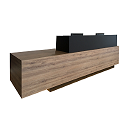
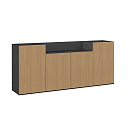
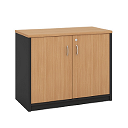
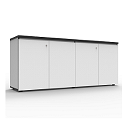
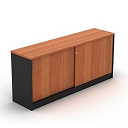
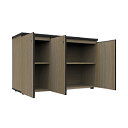
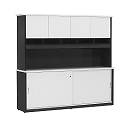
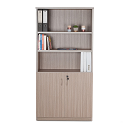
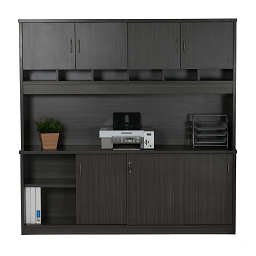
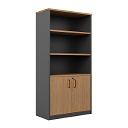
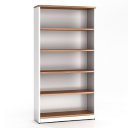
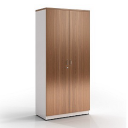
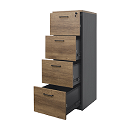
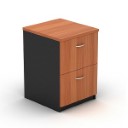
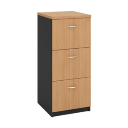
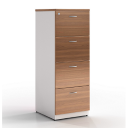
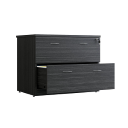
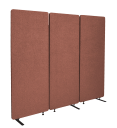
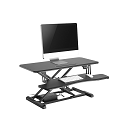
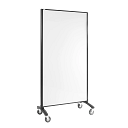
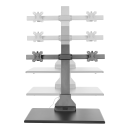
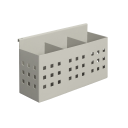
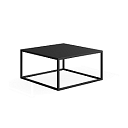
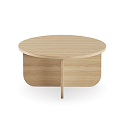
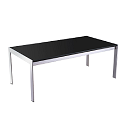
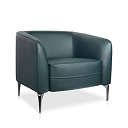
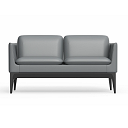
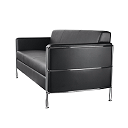
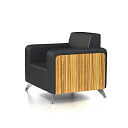
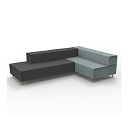
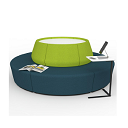
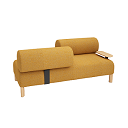
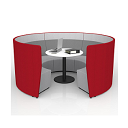
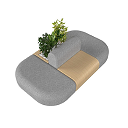
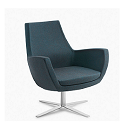
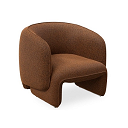
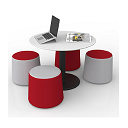
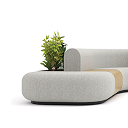
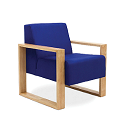
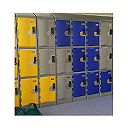
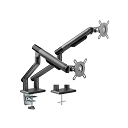
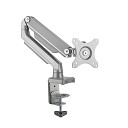
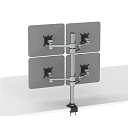
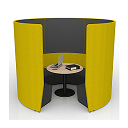
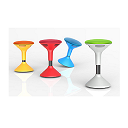
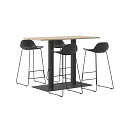
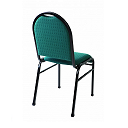
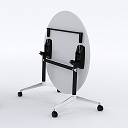
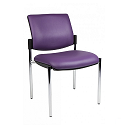
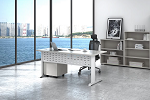
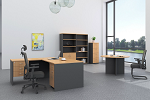
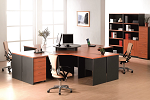
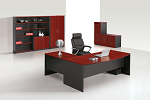
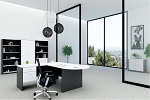
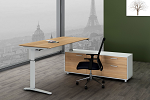
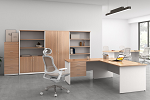
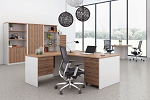
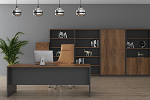
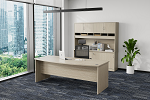
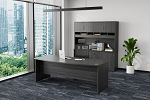
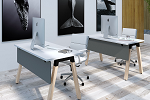
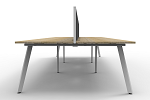
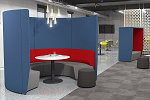
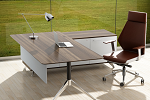
Healthcare furniture prioritises durability, hygiene, ergonomics, and patient comfort while meeting strict safety control standards.
. ← All Categories
About Healthcare Furniture
Healthcare furniture specially designed for medical environments. Unlike regular furniture, healthcare furniture prioritizes durability, hygiene, ergonomics, and patient comfort while meeting strict safety and infection control standards.
Key Features of Healthcare Furniture: 1. Hygienic & Easy to Clean
● Made with anti-microbial, stain-resistant, and non-porous materials (e.g., vinyl, polyurethane, or antimicrobial fabrics).
● Smooth surfaces that prevent bacterial buildup.
● Resistant to harsh disinfectants and cleaning chemicals.
2. Ergonomic & Patient Centered Design
● Supports proper posture and reduces strain for patients and caregivers.
● Adjustable features (e.g., reclining chairs, height-adjustable exam tables).
● Pressure-relieving designs for long-term sitting or lying (important for bedridden patients).
3. Durability & Safety
● Built to withstand heavy daily use in medical settings.
● Flame-retardant and chemical-resistant materials.
● Stable, tip-resistant designs with smooth edges to prevent injuries.
4. Functional & Space-Efficient
● Modular designs for flexible use in different healthcare settings.
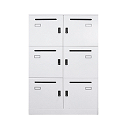
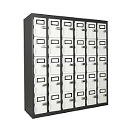
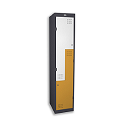
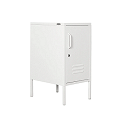
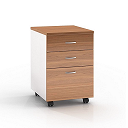
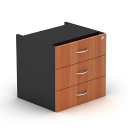
● Storage-integrated furniture (e.g., medical carts, cabinets with easy-access compartments).
● Mobility features (e.g., wheels for hospital beds or IV stands).
5. Comfort & Well-Being
● Designed to reduce patient anxiety (e.g., calming colours, cushioned seating).
● Bariatric (weight-capacity) options for plus-sized patients.
● Sleep-friendly designs for hospital beds and recliners.
Why It Matters:
Healthcare furniture plays a crucial role in patient recovery, caregiver efficiency, and infection control. Poorly designed furniture can lead to discomfort, pressure sores, or even hospital-acquired infections (HAIs). Investing in high-quality healthcare furniture improves patient satisfaction, staff productivity, and overall facility hygiene.
Show more
We care about your privacy
Site uses cookies to personalise your shopping experience. By continuing, you agree to our cookie policy.